Start with your product
Compare equipment using viscosity, particles, temperature, foaming, chemistry and dose range.

Search 3,000 product-specific guides, compare the complete process and identify the machinery, packaging and consumables that suit your output.
Compare equipment using viscosity, particles, temperature, foaming, chemistry and dose range.
See how filling, closing, labelling, coding, inspection and end-of-line handling work together.
Use real product and packaging samples to confirm the final machine specification and output.
Choose your sector to see practical filling, closing, labelling and packing routes for common products and pack formats.
Filling and packing guidance for smooth, pourable and particulate sauces, condiments and dressings.
Hot-fill, cold-fill, agitation and closure guidance for sweet spreads, preserves and syrups.
Product-handling guidance for pieces, seeds, fibres, brines and fermented foods.
Clean-cut filling, closure and labelling guidance for edible oils, infusions and vinegars.
Hygienic filling and packing routes for milk, cultured products, creams and dairy desserts.
Production guidance for dairy-free drinks, cultured alternatives, sauces and desserts.
Filling, hygiene and pack-format guidance for still waters, juices, smoothies and functional drinks.
Pressure, temperature and closure guidance for carbonated beverages, beer, cider and cans.
Bottle, closure, labelling and coding routes for distilled spirits, wines and liqueurs.
Temperature-controlled dosing and packing guidance for syrups, coatings, fillings and confectionery masses.
Hot-fill, particulate and hygienic handling guidance for prepared foods, soups and dressings.
Dust, bulk-density, weighing and sealing guidance for dry foods, ingredients and granules.
New production planning resources
Use the 3,000 application guides with practical tools, problem-led diagnostics, technology comparisons and current UK planning sources.
Calculate output, head count, OEE, batch time, vessel size, accumulation and payback.
Open production calculators →Diagnose inaccurate fills, drips, foam, blockages, slow output, cap faults, label problems and seal leaks.
Open troubleshoot line problems →Compare filling, dosing, capping, sealing, pouch and cleaning routes against the same requirement.
Open compare equipment principles →Structure PUWER, DSEAR, conformity, quantity-control, URS, FAT and cleaning-validation questions.
Open plan uk project evidence →Find clear definitions for 147 filling and packaging terms.
Open use a shared technical language →Understand the application model, technical review limits, corrections and machinery trial method.
Open see how guidance is produced →Flowability, viscosity, particles, temperature, foaming and chemistry determine the safest and most reliable route.
Gravity, flowmeter and pump filling for water-like products.
Open the process guide →Piston and positive-displacement systems for pastes, creams and sauces.
Open the process guide →Auger, weigh and counting systems with dust and seal control.
Open the process guide →Heated, carbonated, corrosive, flammable and abrasive applications.
Open the process guide →Use the same clear route to identify equipment, handovers, controls, consumables and potential bottlenecks.
Product, pack and output
Mix, heat, chill or feed
Rinse or orient packs
Dose accurately and cleanly
Cap, lid, seam or seal
Label, code and verify
Check weight and integrity
Accumulate, case and palletise
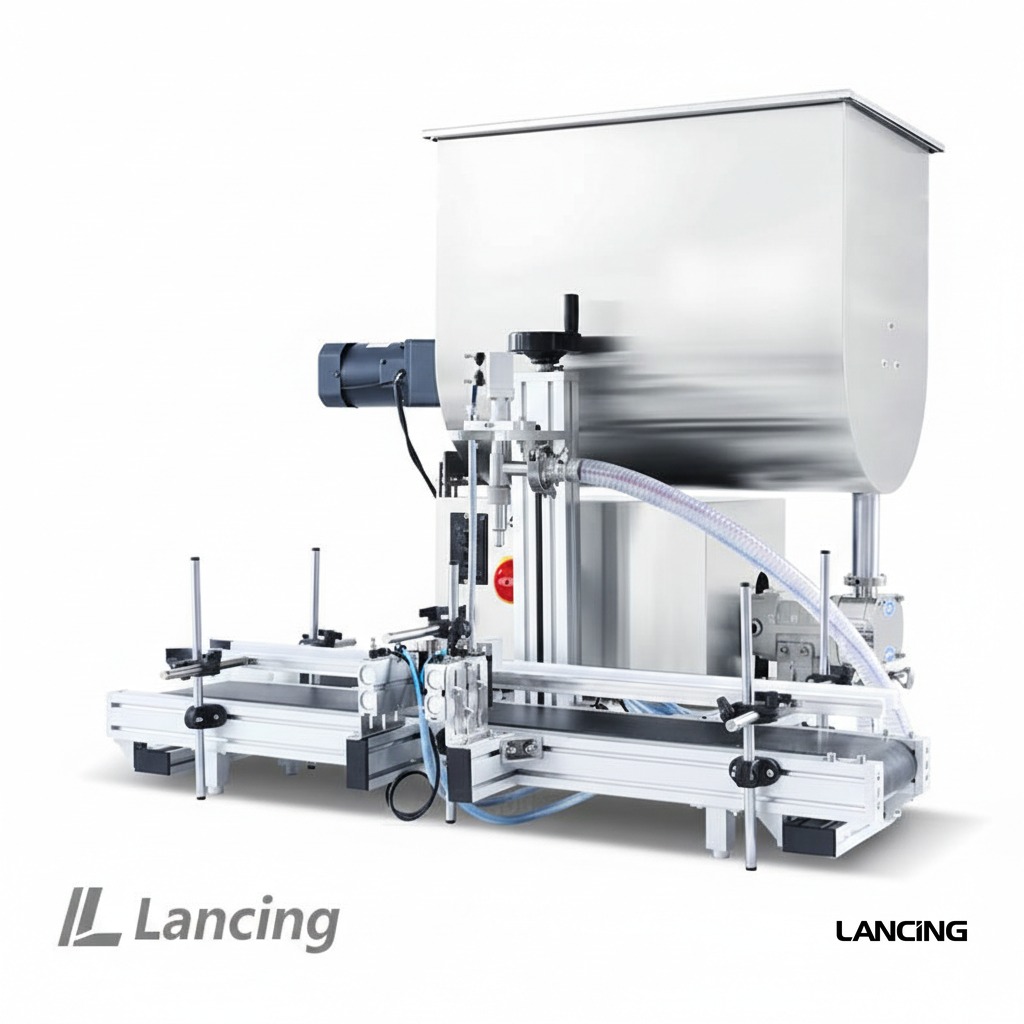
Choose the physical product type, pack format and required output to compare likely filling, closing and labelling arrangements.
Review suitable machinery, then confirm the final route through product trials, packaging checks and line balancing.
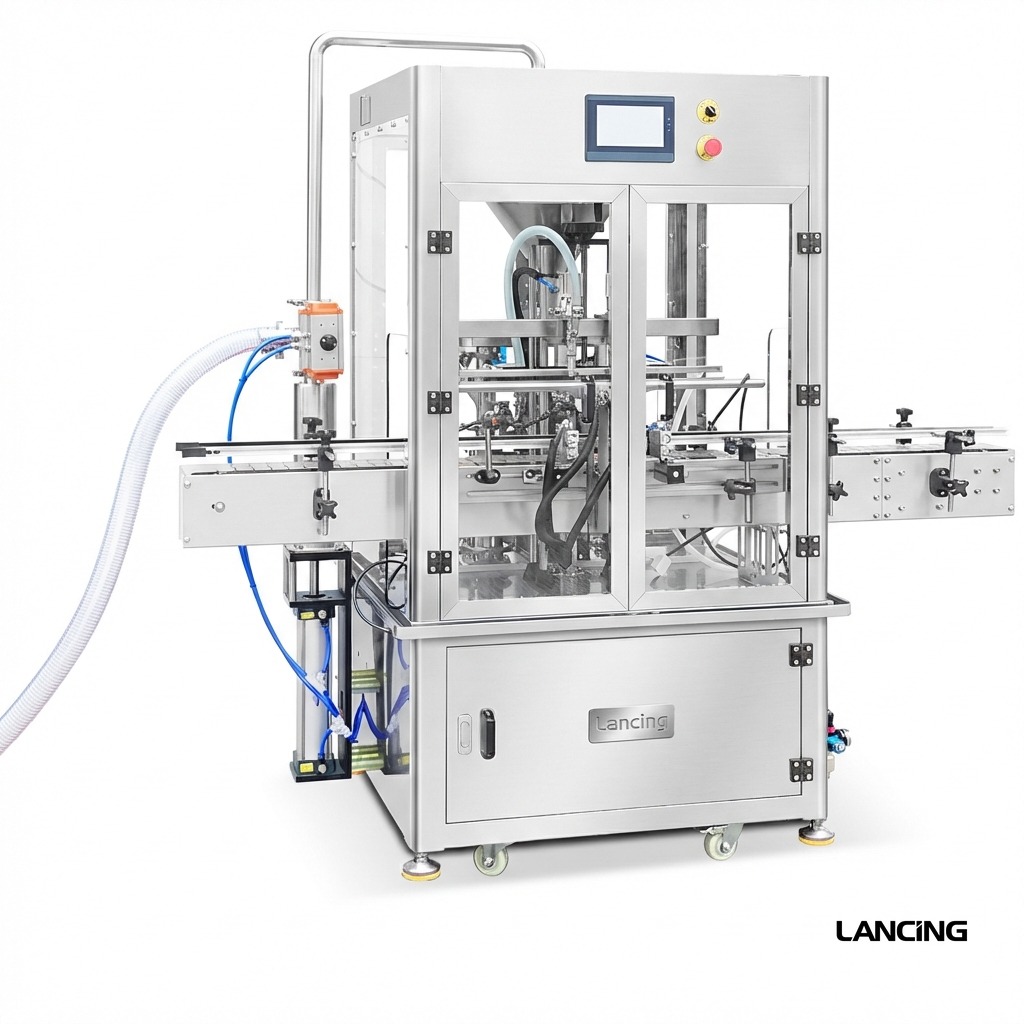
Servo-controlled filling for repeatable doses, with guarding and conveyor handling for automatic production.
Explore this equipment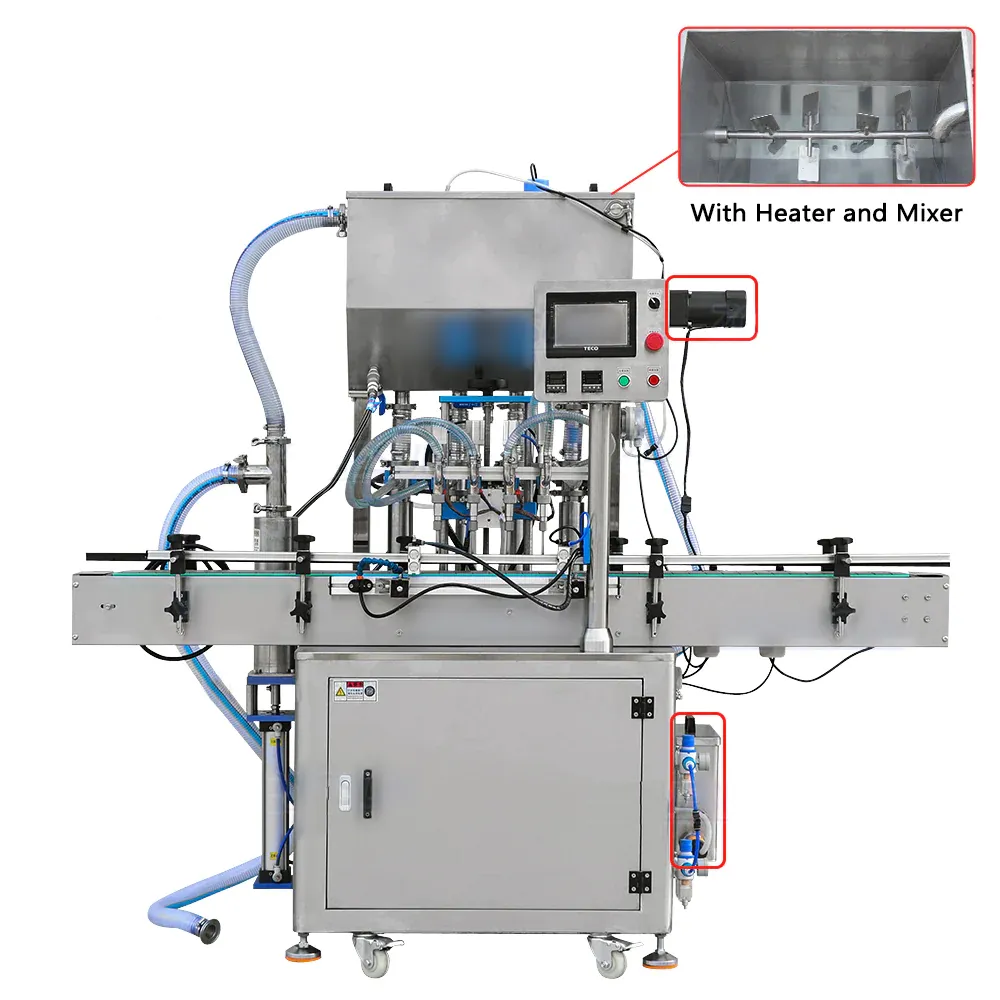
Heated hopper and controlled transfer for products that must remain warm through the filling process.
Explore this equipment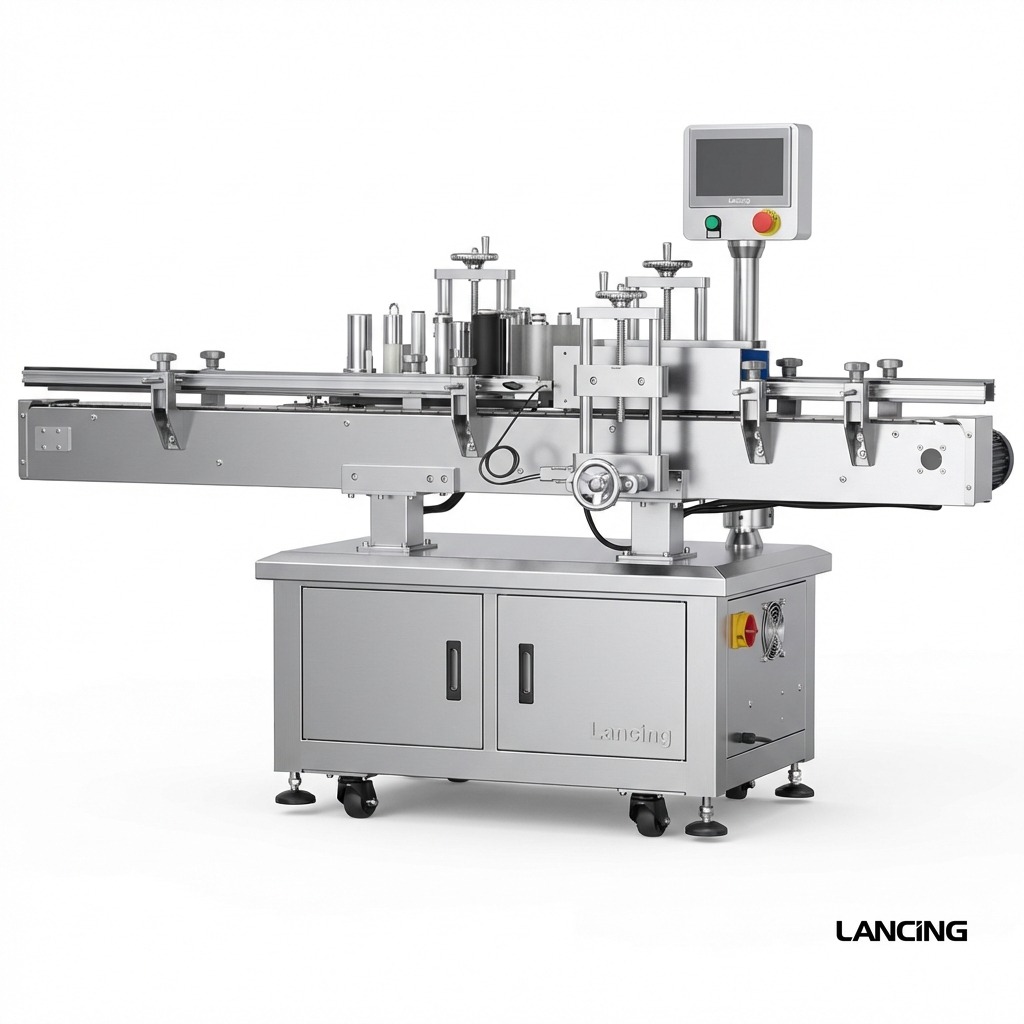
Wrap-around, front-and-back and coding options for bottles, jars and other rigid packs.
Explore this equipmentThe correct consumables protect output, presentation and line reliability. Browse stocked items online, then use actual samples to confirm fit, sealing, labelling and handling.
Start with the product’s viscosity or flowability, temperature, particle size, foaming, chemistry and required accuracy. Then add the dose range, container, closure, cleaning method and output. Product trials should confirm the final filler type.
Often yes, but the line must cover the full product and pack range. Change parts, cleaning, contact materials, recipes, nozzle design and the most difficult viscosity or inclusion should be defined before purchase.
Use required weekly volume, working hours, changeovers, cleaning time and realistic operator availability. Do not select equipment using only the filler’s maximum cycle rate; the complete line must be balanced.
That depends on product risk, incoming packaging controls and the validated hygiene process. Empty-pack rinsing, air cleaning, sterilisation or no treatment may each be correct in different applications.
Provide product details, fill temperature, viscosity or particle size, pack and closure samples, dose range, weekly output, available utilities, site constraints and the required coding or inspection standard.
Send your product details, pack sizes, closures, target output and any available samples for a practical machinery review.
A product name is the start of a machinery search, but it is not a finished specification. Use each guide to identify the decisions that change the process, then replace general assumptions with the actual product, packaging and operating requirement.
Record whether it flows freely, contains pieces, foams, settles or changes with temperature. State how it reaches the filler and what changes during a batch. A chilled cream in a tube and a pourable dairy product in a bottle may share a sector while needing different handling, closing and cleaning arrangements.
Map preparation, empty-pack presentation, filling, closing, identification, inspection and dispatch. Note which stages already exist and the required condition at each handover. For a foaming liquid, the dosing method, nozzle behaviour, settling time and closure sequence need to be considered together; a higher filler cycle rate may not improve finished-pack output.
Keep a short record of confirmed data, supplier questions and unresolved tests. Include the hardest normal product condition and smallest or largest relevant pack. Agree what result would accept or reject a proposed route. Food safety, shelf life, chemical compatibility and other specialist validation remain separate responsibilities; a process guide or machinery trial does not establish them.
Continue with Dairy product and packaging routes · Soup and prepared-food process routes · Foaming-liquid filling decisions · Cream-in-tube application guide.
A machinery trial can examine dose delivery, container handling, closing, labelling and output under stated conditions. It does not automatically establish product shelf life, suitability of every contact material or a complete hygienic process. Identify the approval owner and evidence needed for each decision before treating the route as ready for commercial production.
Describe the product as it reaches the dosing stage, not only as it leaves preparation. Waiting time, cooling, settling or aeration may change handling. Record the expected condition at preparation, transfer, filling and closing, then identify where a proposed layout introduces a new hold or delay that needs review.
A container, closure or flexible pack should be assessed with the proposed contents and process. A successful empty handling test does not prove sealing or product compatibility. Use the relevant approved requirements and representative combinations, with specialist review where the product or process needs it.
Keep the product revision, packaging references, process sequence and accepted trial conditions in one project record. When a formulation, pack or operating window changes, review which previous conclusions remain applicable. Use the equipment selector, consumables guidance and production enquiry route with those open decisions identified.