
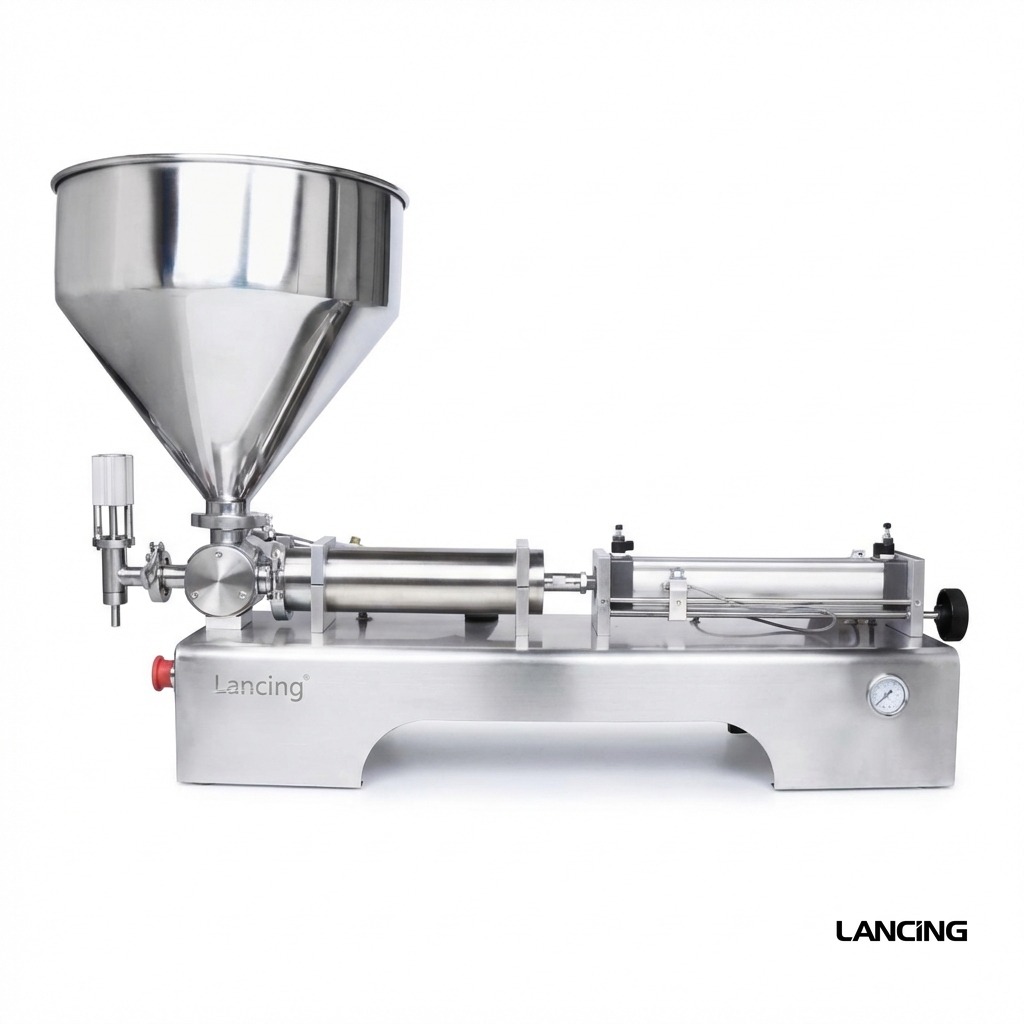
Plan product recovery, strip-down, clean-in-place, allergen control, line clearance and format changes.
Map product-contact parts
Identify tanks, hoses, pumps, valves, nozzles, hoppers and seals. Remove dead legs and trapped volumes that are difficult to drain or inspect.
Choose strip-clean or CIP
Manual strip-down offers direct inspection; clean-in-place reduces handling but needs validated flow, chemistry, temperature and drainage. Hybrid systems are common.
Plan product recovery
Define how saleable product is pushed, drained or scraped from the line before washing. Recovery methods must not introduce contamination or unsafe pressure.
Control allergens and chemicals
Sequence products, use dedicated parts where justified and verify cleaning. Chemical lines need compatibility, neutralisation and controlled waste handling.
Design tool-free change parts
Use clear scales, recipes, keyed parts and storage. Record target changeover time and prove it with trained operators.
Include line clearance
Remove old labels, caps, codes, components and documents before the next batch. Inspection and sign-off reduce mix-up risk.
Common questions
Is clean-in-place always better?
No. CIP works when circuits are designed and validated for it. Small flexible lines may be faster and easier to verify with removable parts.
How long should a changeover take?
Set a target based on batch economics and risk, then test every required product and format change. Separate cleaning time from mechanical adjustment.
Can disposable product paths be used?
In some pharmaceutical, laboratory or specialist applications, single-use tubing and components can reduce cleaning, but compatibility, waste, cost and connection controls must be assessed.