
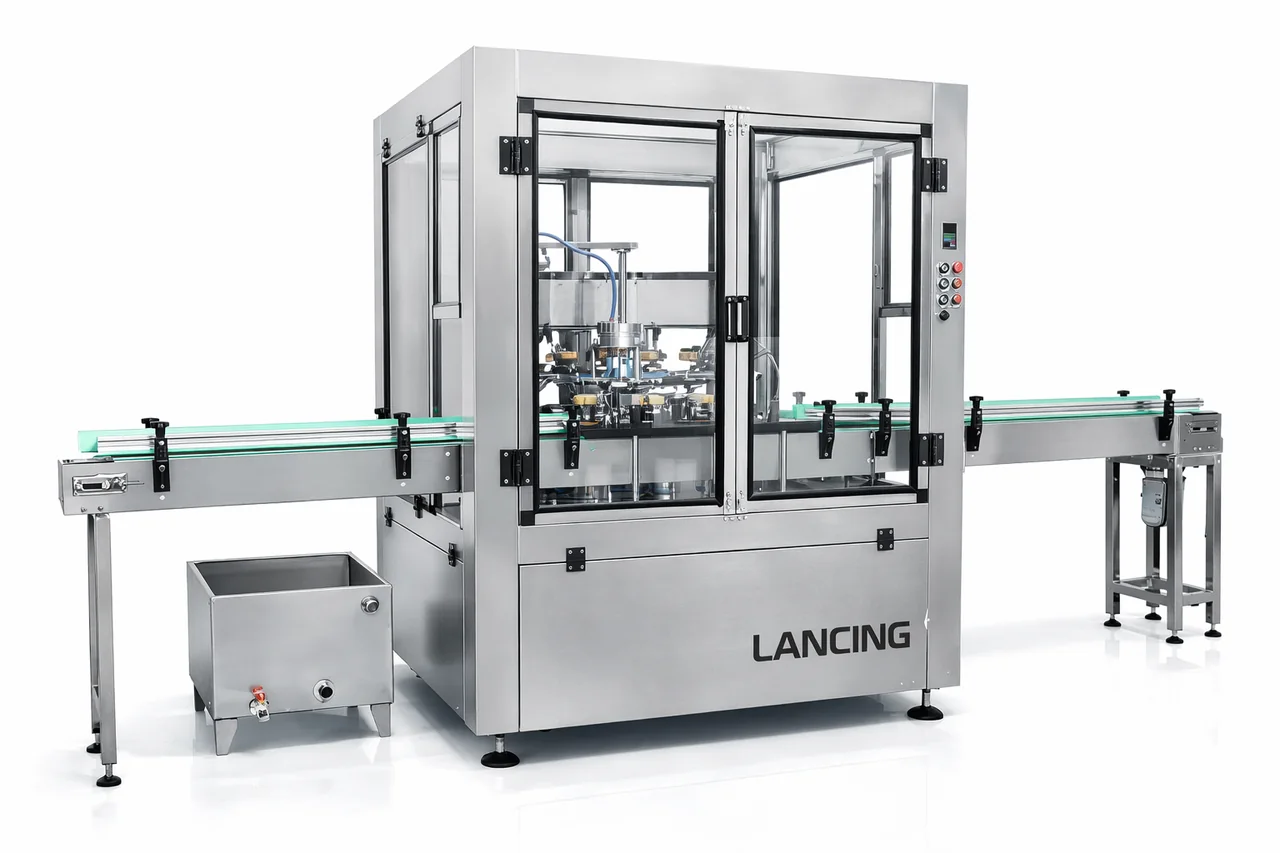
When empty packs need air cleaning, rinsing, washing, sterilisation or no treatment before filling.
Start with the contamination risk
Review how containers are manufactured, packed, transported, stored and presented. Define possible dust, glass fragments, insects, fibres, moisture or microbiological contamination.
When air rinsing is appropriate
Ionised air and vacuum extraction can remove loose dry debris without adding water. It does not sterilise the container and must be validated for the expected contamination.
When water or solution rinsing is used
Liquid rinsing may be required for returnable packs or specified hygiene processes. Plan water quality, chemical concentration, drainage, drying, effluent and prevention of recontamination.
Sterilisation and decontamination options
Steam, hot water, chemical treatment, UV or other validated methods may be considered. The method must suit the container material and required microbial reduction.
Inversion and pack handling
Rinsers often invert containers. Check stability, neck strength, residual liquid, line speed and whether the pack can be returned upright without contamination or damage.
Evidence and verification
Document treatment parameters, routine checks and action limits. Do not describe a rinse as sterilisation unless the claimed outcome has been validated.
Common questions
Does a new glass jar need washing before filling?
Not automatically. The decision depends on supplier controls, storage, product risk and the validated process. Many lines use inspection or air cleaning; others require a wet wash or sterilisation step.
Can ionised air sterilise bottles?
No. Ionised air can help neutralise static and remove loose particles when combined with vacuum extraction, but it is not a sterilisation process.
How are rinsed containers dried?
Options include drain time, sterile or filtered air, heat and controlled transfer. Residual water must not dilute the product or compromise filling, closure or label adhesion.