
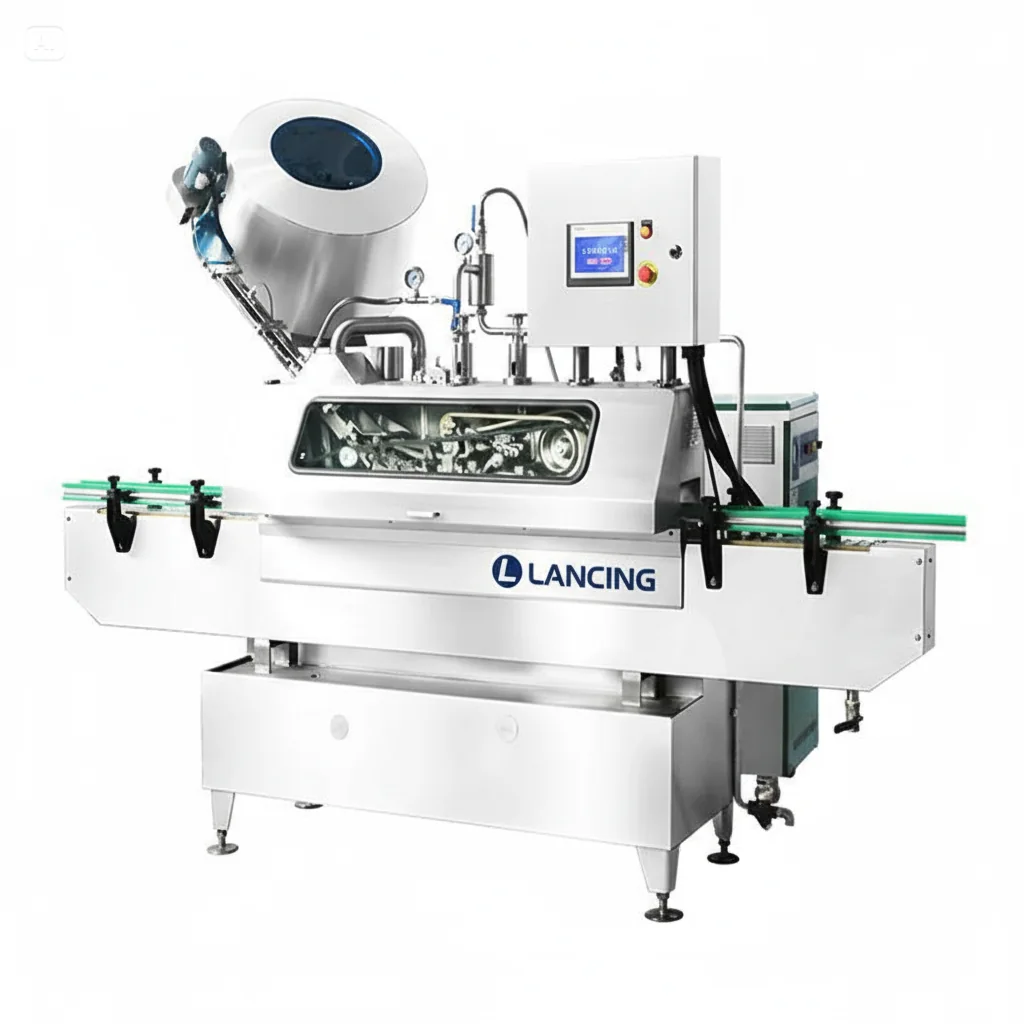
Alternative preservation routes, clean filling and vacuum closure options when product is not filled hot.
Define why the product is cold filled
The reason may be heat sensitivity, pack limitations, product quality or process design. Document the target temperature and controls that replace hot-fill effects.
Control product and environment
Use validated filtration, preservatives, clean processing, hygienic design, chilled handling or aseptic controls as appropriate to the product. The filler alone cannot create shelf life.
Prepare the pack
Container and closure cleanliness become especially important when heat is not used. Define incoming controls, storage, treatment and protected transfer to the filler.
Vacuum capping options
Steam vacuum or mechanical vacuum systems can reduce headspace pressure and support lid application. They do not replace a required preservation process.
Verify seal and shelf life
Test closure torque, vacuum, leakage, tamper evidence, migration and storage performance across the intended shelf life and distribution conditions.
Common questions
Does vacuum capping sterilise the product?
No. Vacuum capping removes air and applies the closure under controlled conditions; it does not by itself sterilise or pasteurise the product.
Can a cold-filled jar still have a tamper button pulled down?
Yes, with a suitable vacuum capping process and compatible lid, but the required vacuum and closure performance must be validated.
Is cold filling safer for plastic packs?
It can reduce thermal distortion, but chemical compatibility, hygiene, oxygen exposure and closure performance still need assessment.