
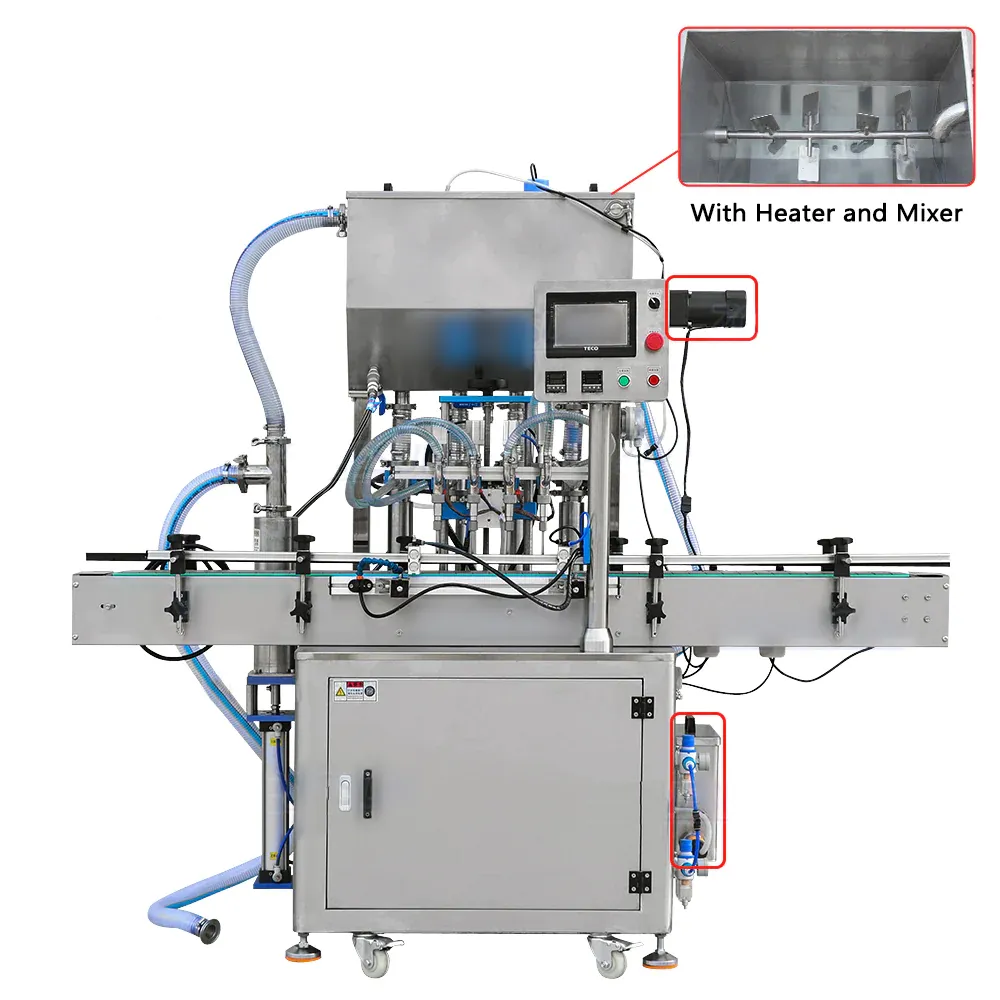
Address guarding, hot product, chemicals, vapours, dust, pressure, ergonomics and safe intervention.
Define machinery hazards
Assess trapping, crushing, cutting, entanglement, stored energy and unexpected movement at conveyors, fillers, cappers, label heads and robots.
Guard normal and foreseeable access
Use fixed or interlocked guarding, safe distances and controlled access. Consider refill, sampling, jam clearance, cleaning and maintenance—not only automatic running.
Hot product and surfaces
Above 45°C, assess scalding and contact burns. Include splash containment, insulation, safe drain-down, alarms and PPE.
Chemicals and vapours
Use current safety data, COSHH and DSEAR/ATEX assessments where applicable. Select compatible materials, bunding, extraction, earthing and emergency controls.
Dust and powders
Assess inhalation, visibility, static and combustible dust. Provide extraction, grounding, housekeeping and explosion protection where the assessment requires it.
Ergonomics and manual handling
Review loading height, repetitive cap placement, bags, drums, change parts and maintenance access. Use lifting aids and automation where exposure is material.
Common questions
Does CE or UKCA marking replace a site risk assessment?
No. Machinery conformity addresses the supplied machine; the user must assess installation, product, interfaces, environment and operating procedures.
When is a light curtain suitable?
Only where stopping time and safety distance are calculated and access cannot bypass the field. It is not suitable for every hazard or where material can bridge the protected opening.
What safety data should be supplied for a product trial?
Provide current SDS/COSHH information, temperature, pressure, vapour, dust, incompatibilities and required PPE before the material arrives.