
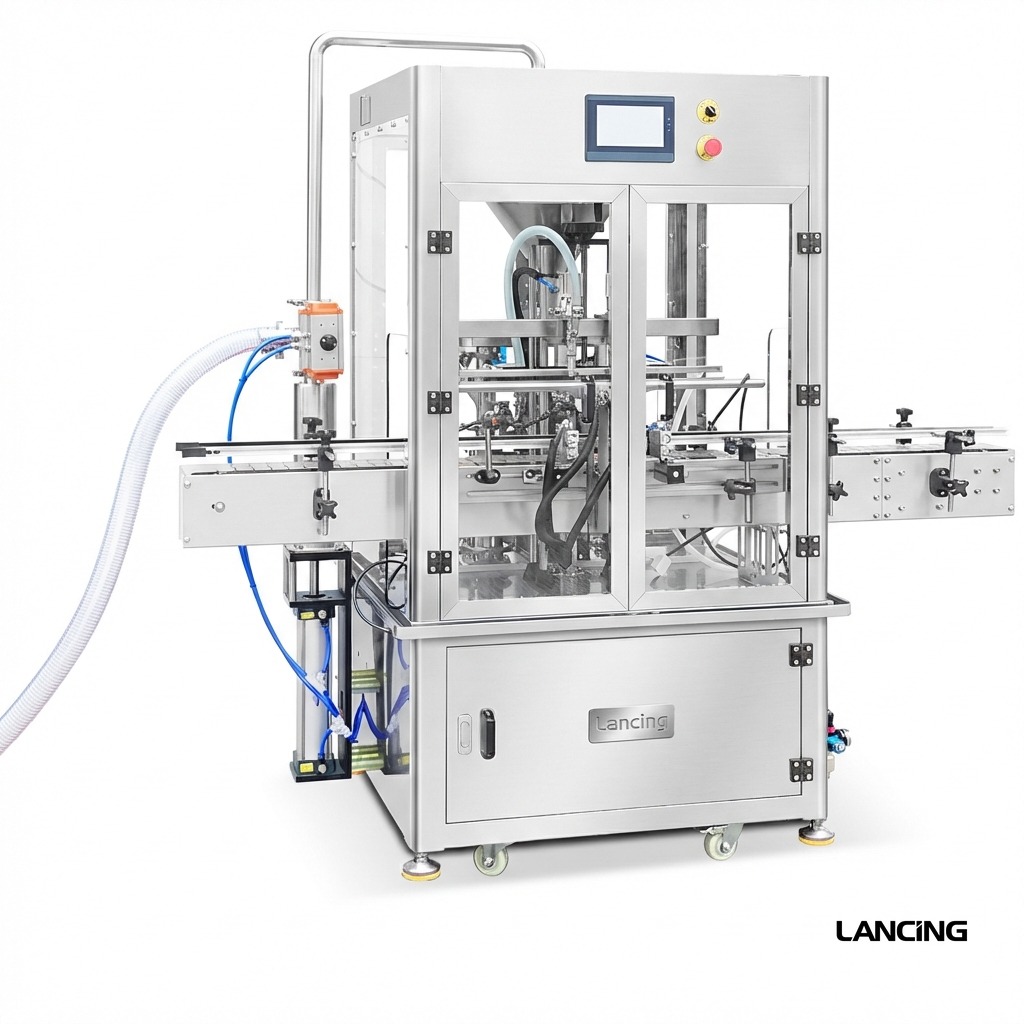
Convert weekly demand into realistic machine output, labour, accumulation and changeover requirements.
Calculate net production time
Subtract breaks, sanitation, start-up, planned maintenance, changeovers and product preparation from the shift. Apply a realistic efficiency factor.
Convert demand to packs per minute
Divide the required saleable packs by net available minutes, then include expected rejects and growth. Define normal and peak rates.
Time every station
Measure container loading, filling, closure feed, capping, labelling, coding, inspection and case packing. The slowest repeatable station controls output.
Plan accumulation and recovery
Buffers allow independent short stops, but recovery speed must exceed normal line speed or the buffer never clears.
Include batch size and changeovers
High headline speed may not improve small batches if cleaning and format changes dominate the day. Compare output per shift, not only packs per minute.
Verify labour content
List every manual task and the cycle time available. Avoid one operator being expected to load containers, closures, labels, cases and inspect output simultaneously.
Common questions
What efficiency should be assumed for a new line?
It depends on maturity, automation, changeovers and support. Use a conservative planning assumption and model ramp-up rather than quoting 100% of nameplate speed.
Is a two-head filler twice as fast as a single-head filler?
Not always. Product feed, nozzle movement, container indexing and downstream closing may limit the gain.
How is line balance checked?
Create a cycle-time table for each station, include micro-stops and refill tasks, then simulate or trial the integrated line at the target rate.